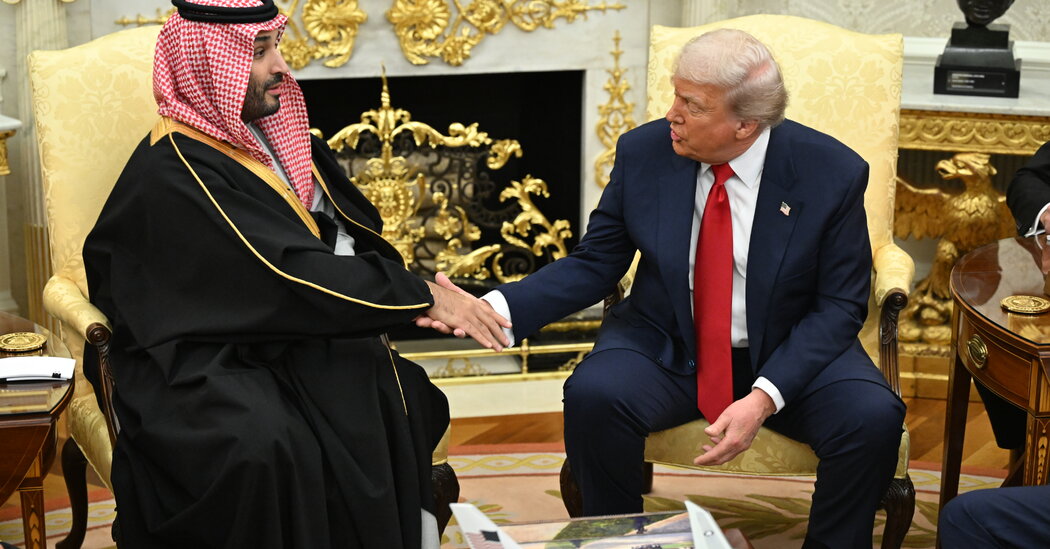
The United States and Saudi Arabia have reached a significant nuclear cooperation agreement that could open the door for the kingdom to develop its own uranium enrichment capabilities, according to reports. The deal represents a major step in the long-running discussions between Washington and Riyadh over civilian nuclear energy, but it also raises questions about nuclear security, regional competition, and the future balance of power in the Middle East.
The agreement comes at a moment of heightened tensions across the region. With security concerns involving Iran and broader questions about military capabilities in the Middle East, decisions involving nuclear technology carry consequences far beyond energy production. Supporters of the agreement describe it as a pathway toward economic development and closer strategic ties, while critics warn that allowing domestic enrichment could create new challenges for nonproliferation efforts.
A Long Negotiation Over Nuclear Ambitions
Saudi Arabia has spent years seeking greater access to nuclear technology as part of its effort to diversify its economy and reduce dependence on oil revenues. The kingdom has argued that nuclear power could provide a new source of electricity, support industrial growth, and help meet future energy demands.
For the United States, however, cooperation with Saudi Arabia has always involved difficult questions. Nuclear technology designed for peaceful purposes can also involve sensitive capabilities that require strict oversight. Uranium enrichment is one of the most closely watched areas because the same technology used to produce fuel for civilian reactors can, under different circumstances, be adapted for weapons-related purposes.
Previous discussions between the two countries focused on finding a framework that would allow Saudi Arabia to pursue nuclear energy while maintaining safeguards designed to prevent misuse. The reported agreement suggests that Washington and Riyadh have moved closer to a compromise that gives the kingdom more control over its nuclear program.
Why Uranium Enrichment Is at the Center of Debate
The most controversial part of the agreement is the possibility that Saudi Arabia could enrich uranium on its own territory. Many countries operate nuclear power programs without conducting enrichment domestically, instead purchasing nuclear fuel from international suppliers. Allowing enrichment inside Saudi Arabia would represent a more advanced stage of nuclear development.
Supporters of the deal argue that Saudi Arabia, as a major regional economy and U.S. partner, should have the opportunity to develop advanced energy capabilities under international supervision. They say a carefully monitored civilian program could strengthen cooperation between the two nations and create new opportunities in science, engineering, and energy technology.
Opponents remain concerned about the broader implications. The Middle East already faces deep political rivalries, and some analysts fear that expanding nuclear capabilities in the region could encourage other countries to pursue similar programs. Questions about transparency, inspections, and long-term intentions are likely to remain central to the debate.
Regional Security Concerns and the Iran Factor
The timing of the agreement has attracted particular attention because of ongoing concerns about Iran’s nuclear activities and regional security threats. For decades, Iran’s nuclear program has been a source of international tension, with governments debating how to balance diplomacy, economic interests, and security risks.
Saudi leaders have previously indicated that they do not want their country to fall behind regional rivals in strategic capabilities. The possibility of Saudi uranium enrichment therefore carries significance beyond energy policy. It is also connected to wider questions about influence, deterrence, and competition in the Middle East.
U.S. officials supporting the agreement are expected to emphasize safeguards and oversight measures. The challenge will be convincing lawmakers, security experts, and regional observers that the arrangement can prevent the spread of dangerous technologies while still allowing peaceful nuclear development.
A Major Test for U.S.-Saudi Relations
The nuclear agreement also reflects the broader relationship between Washington and Riyadh. The two countries have maintained close ties for decades, especially in areas such as energy, defense, and regional diplomacy. However, their relationship has also faced periods of disagreement over human rights issues, foreign policy decisions, and economic priorities.
A successful nuclear partnership could deepen cooperation between the two governments and create new channels for scientific and economic collaboration. Saudi Arabia has ambitious plans to transform its economy through large-scale investment projects, and nuclear energy is viewed as one possible component of that future.
At the same time, the agreement could become a political challenge in Washington. U.S. policymakers have historically debated how much nuclear technology should be shared with other nations and what conditions should be required before such cooperation moves forward.
What Happens Next
The announcement of the agreement does not end the debate. The details of implementation, oversight, and enforcement will likely receive close attention from governments and international organizations. Questions about inspections, fuel production limits, and security commitments are expected to shape discussions moving forward.
For Saudi Arabia, the agreement could mark an important milestone in its effort to build a more diverse and technologically advanced economy. For the United States, it represents an attempt to strengthen a strategic partnership while managing the risks associated with nuclear technology.
The coming months will reveal how the agreement is received by lawmakers, regional governments, and the international community. Whether it becomes a model for responsible civilian nuclear cooperation or a source of new geopolitical tension will depend largely on transparency, oversight, and the ability of both countries to maintain trust.
The U.S.-Saudi nuclear deal highlights a difficult reality in global politics: energy policy, national security, and diplomacy are increasingly connected. Decisions about technology made today could influence regional stability for decades, making this agreement one of the most closely watched developments in international affairs.