New York’s new pied-à-terre tax has quickly become a flashpoint in the city’s ongoing debate over wealth, housing policy, and government transparency. After a newly released list identified property owners who could potentially be affected by the tax, Gov. Kathy Hochul pushed back against criticism and argued that the publication of the information was not unusual.
A New Tax Roll Draws Immediate Attention
The controversy began after New York City officials released a detailed list connected to the newly created pied-à-terre tax. The measure applies to certain luxury second homes in the city, particularly properties valued above $5 million. The policy was championed by Mayor Zohran Mamdani as part of an effort to require wealthy property owners to contribute more toward city needs.
The Department of Finance document included names and addresses of property owners along with information indicating who could potentially be subject to the new tax. City officials said the list was intended to notify affected residents and give them an opportunity to make claims if they believe they qualify for an exemption.
The release of the document immediately triggered criticism from opponents who argued that publishing a targeted list of individuals connected to a new tax crossed a line. Some critics described the move as a form of government exposure of private citizens, while supporters argued that transparency was necessary for implementing a major new revenue policy.
Hochul Says the Disclosure Is Not Unusual
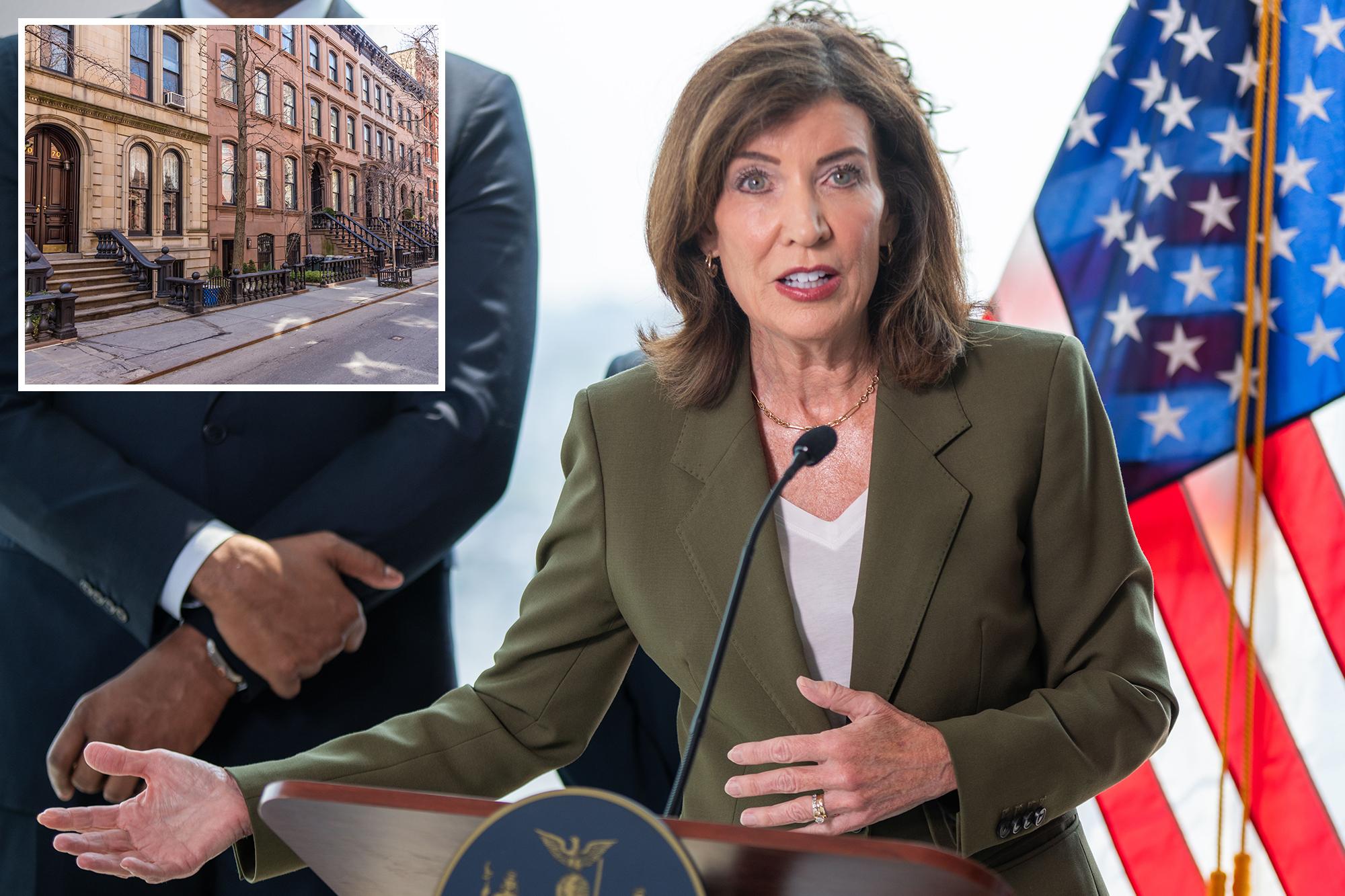
Speaking at an unrelated press conference, Hochul defended the release of the information and rejected the idea that the list represented an extraordinary action. The governor argued that property tax records and related government documents have long been publicly available in New York.
Hochul connected the new list to existing public records practices, saying that property ownership information and tax-related documents have traditionally been accessible. Her comments were aimed at easing concerns that the new publication represented a departure from normal government procedures.
“This is not out of the ordinary,” Hochul said, pointing to the long-standing availability of property records. She argued that making residents aware that they may be affected by a new tax serves a practical purpose, especially because some property owners may not have realized the policy applied to them.
The governor also said she did not want to question Mamdani’s motives in highlighting the tax. Instead, she characterized the outreach as an attempt to ensure that people receive notice about a new financial obligation.
Mamdani’s Push for a Wealth-Focused Tax Policy
The pied-à-terre tax has been one of the most visible parts of Mamdani’s broader political message. The mayor has argued that wealthy New Yorkers should contribute more and has promoted the policy as a way to make affluent property owners help fund city priorities.
The issue has placed Hochul in a difficult political position. While she supported the tax during budget negotiations with state lawmakers, she has faced pressure from Mamdani and progressive activists who want additional tax increases on wealthy residents and corporations.
At the same time, Hochul is attempting to balance support among a broader statewide electorate. Her response to the controversy reflects the challenge of supporting a policy associated with progressive leaders while addressing concerns from critics who say the approach unfairly targets successful property owners.
Critics Question the Impact of Publicly Naming Owners
Opponents of the list have focused less on the existence of public property records and more on the way the information was presented. They argue that compiling names and addresses of people who may owe a newly introduced tax creates a different level of exposure than traditional government records.
The criticism intensified after Mamdani promoted the tax with public messaging directed at wealthy homeowners. His supporters viewed the campaign as a clear statement that luxury property owners should participate more in supporting the city. Critics, however, argued that the approach risked creating unnecessary hostility toward individuals who are legally entitled to own second homes.
The debate highlights a broader disagreement over how governments should communicate major policy changes. Supporters of aggressive transparency say residents have a right to know how public programs operate and who is affected. Critics counter that officials should be careful when presenting personal information connected to controversial policies.
A Larger Debate Over New York’s Future
The fight over the pied-à-terre tax reflects larger questions facing New York City. Officials continue to debate how to address housing costs, public spending, and inequality while maintaining the city’s appeal to residents, businesses, and investors.
For supporters, the tax represents an opportunity to capture additional revenue from some of the city’s most valuable properties. They argue that people who maintain expensive second residences in New York should contribute more to the communities where those properties are located.
For opponents, the controversy represents concerns about government power, privacy, and the relationship between elected officials and wealthy residents. They argue that policies targeting a specific group require careful implementation and communication.
The Political Battle Continues
As the new tax moves forward, the dispute surrounding the public list is likely to remain part of a larger political conversation. Hochul’s defense shows the administration’s effort to present the policy as a normal extension of existing government practices rather than an unusual action.
Mamdani’s supporters, meanwhile, continue to frame the measure as an example of the city asking wealthier residents to contribute more. The conflict demonstrates how tax policy can become a symbol of competing visions for New York’s future.
Whether the controversy fades or grows will depend on how property owners respond, how the tax is implemented, and whether the broader public views the measure as a reasonable financial policy or an excessive government action. For now, the pied-à-terre tax remains at the center of a heated discussion about transparency, fairness, and the role of wealth in one of the world’s most influential cities.