When millions of football fans around the world watched the 2026 World Cup final, many expected the biggest moments to come from the players competing for the trophy. Yet one of the most memorable scenes from the tournament happened away from the scoreline. During the halftime show, a group of young dancers from Uganda stepped onto one of the largest entertainment stages on the planet and shared a story that began far from international stadiums and celebrity spotlights.
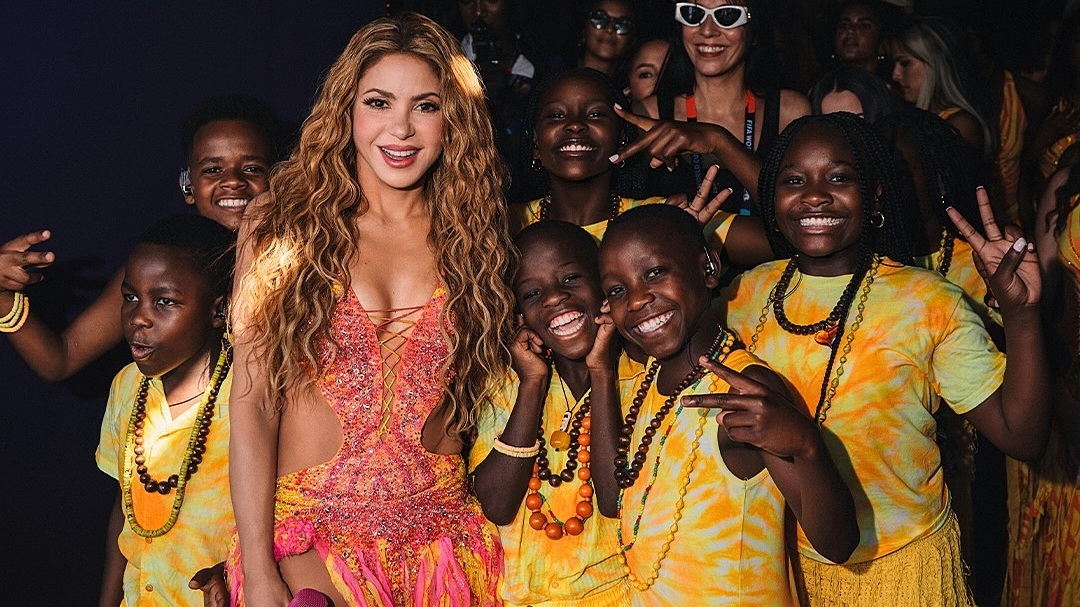
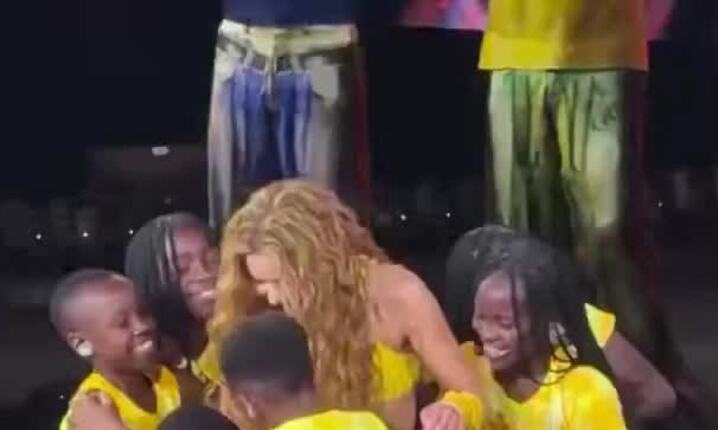
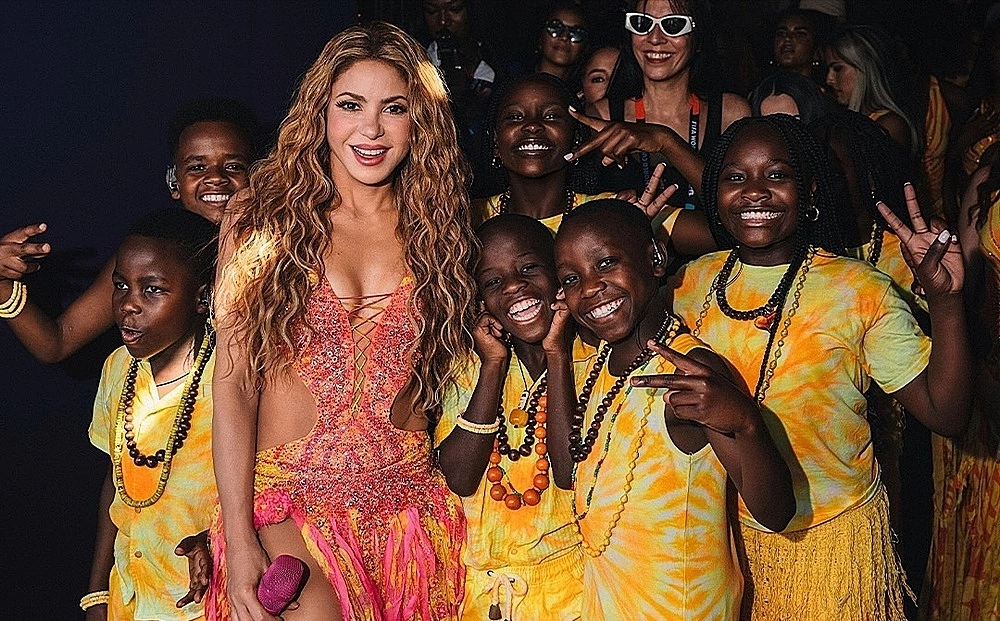
The Ghetto Kids, an eight-member children’s dance group from Uganda, performed alongside Shakira and Nigerian singer Burna Boy during the World Cup halftime performance. Their energetic movements, confident expressions and constant smiles quickly drew attention from viewers who had never heard of the group before. For many audiences, the performance was more than a dance routine. It represented years of determination, creativity and the possibility of a different future for children growing up in difficult circumstances.
A journey from Katwe to the world stage
The young performers are part of Triplets Ghetto Kids, also known simply as Ghetto Kids, an organization founded in Katwe, a low-income neighborhood in Uganda’s capital, Kampala. The group was created by Kavuma Dauda, a teacher who wanted to provide vulnerable children with a safer environment and opportunities that were often unavailable to them.
Since its establishment in 2007, the organization has focused on supporting children through basic care, education and creative activities. Music, dance and performance became tools for helping children develop confidence and imagine possibilities beyond the challenges surrounding their everyday lives. The program has offered children a place where they can learn, practice their talents and build relationships with people who support their growth.
Dauda’s own background shaped his commitment to this mission. According to the documentary about his life and work, he experienced hardship while growing up in Kampala and once depended on the kindness of a stranger who helped pay for his education. That experience influenced his decision to later help children facing circumstances similar to those he had known.
After studying mathematics education, Dauda chose to turn his promise into action. Instead of leaving behind the struggles he had witnessed, he built a community where children could receive guidance and develop skills that might create new opportunities for their futures.
Dance videos that introduced Uganda’s young performers to the world
Before appearing at the World Cup, Ghetto Kids had already built a large international following through online videos. Their performances combined traditional African dance influences with modern choreography, creating a style that was both recognizable and unique.
The group first gained widespread attention in 2014 when their dance video for the song “Sitya Loss” by Ugandan musician Eddy Kenzo spread across the internet. The performance attracted viewers from around the world and opened doors for the young dancers to appear on entertainment programs and talent competitions.
They continued gaining attention with later performances, including a video for “Marimba Rija,” which became another major online success. Their ability to combine powerful movement, humor and visible joy helped them connect with audiences far beyond Uganda.
The group’s choreography has been praised for blending cultural traditions with contemporary styles. Their routines reflect different artistic influences from across sub-Saharan Africa while maintaining the playful energy that became a signature part of their identity.
From talent shows to a World Cup invitation
International recognition grew further when Ghetto Kids appeared on Britain’s Got Talent in 2023. During their audition, the group impressed the judges and became the first act in the program’s history to receive a golden buzzer during their performance. Although they did not finish among the final three acts that season, the appearance allowed them to introduce their story to an even wider audience.
Their connection with Shakira developed after the singer noticed their work online. Before the World Cup halftime show, Shakira shared a video of the group performing the song “Dai Dai” and expressed interest in performing with them. Later, she invited the young dancers to join her on the global stage during the tournament.
For the children, the opportunity became a dream fulfilled. The group described performing with Shakira as an unforgettable experience and a moment they would carry with them throughout their lives. Standing beside internationally known artists, the young dancers showed that talent can emerge from places that are often overlooked.
More than a performance: building confidence and independence
The story of Ghetto Kids is not only about entertainment. The organization behind the dancers continues to focus on helping children develop independence and life skills. In the documentary about Kavuma Dauda, viewers see the daily environment where children study, play and live together. The facility includes shared spaces, sleeping areas and adults responsible for providing care and support.
Dauda has emphasized that his goal is not simply to create performers. He wants children to gain the confidence and abilities needed to pursue different paths as they grow older. Education, creativity and practical skills are all part of the effort to help them avoid returning to the hardships associated with street life.
The organization has also explored ways to create additional sources of support for the community. Dauda purchased goats with the idea that children could participate in caring for them and learn responsibility through agricultural activities. He also believes that a farm could eventually contribute to the group’s sustainability.
Even with these new projects, Dauda says music remains central to the organization’s identity. For the children of Ghetto Kids, dancing is not simply a performance. It is a way to communicate, connect with others and express hope.
A lasting message from Uganda
The appearance of Ghetto Kids at the World Cup highlighted a powerful contrast: children from a neighborhood far from the traditional centers of global entertainment standing alongside some of the world’s most famous performers. Their story captured attention because it combined extraordinary talent with a message about opportunity and resilience.
Their rise shows how creative expression can open unexpected doors. A video recorded in Uganda can reach millions of people, attract international collaborators and eventually lead to a performance watched around the world. For the young dancers, the World Cup stage was not just a destination. It was another chapter in a journey built through discipline, community support and the belief that every child deserves a chance to be seen.
As Ghetto Kids continue sharing their performances internationally, their biggest impact may not come only from their dance moves. It may come from reminding audiences everywhere that behind every talented child is a story, and sometimes the most inspiring stories begin in places the world rarely notices.