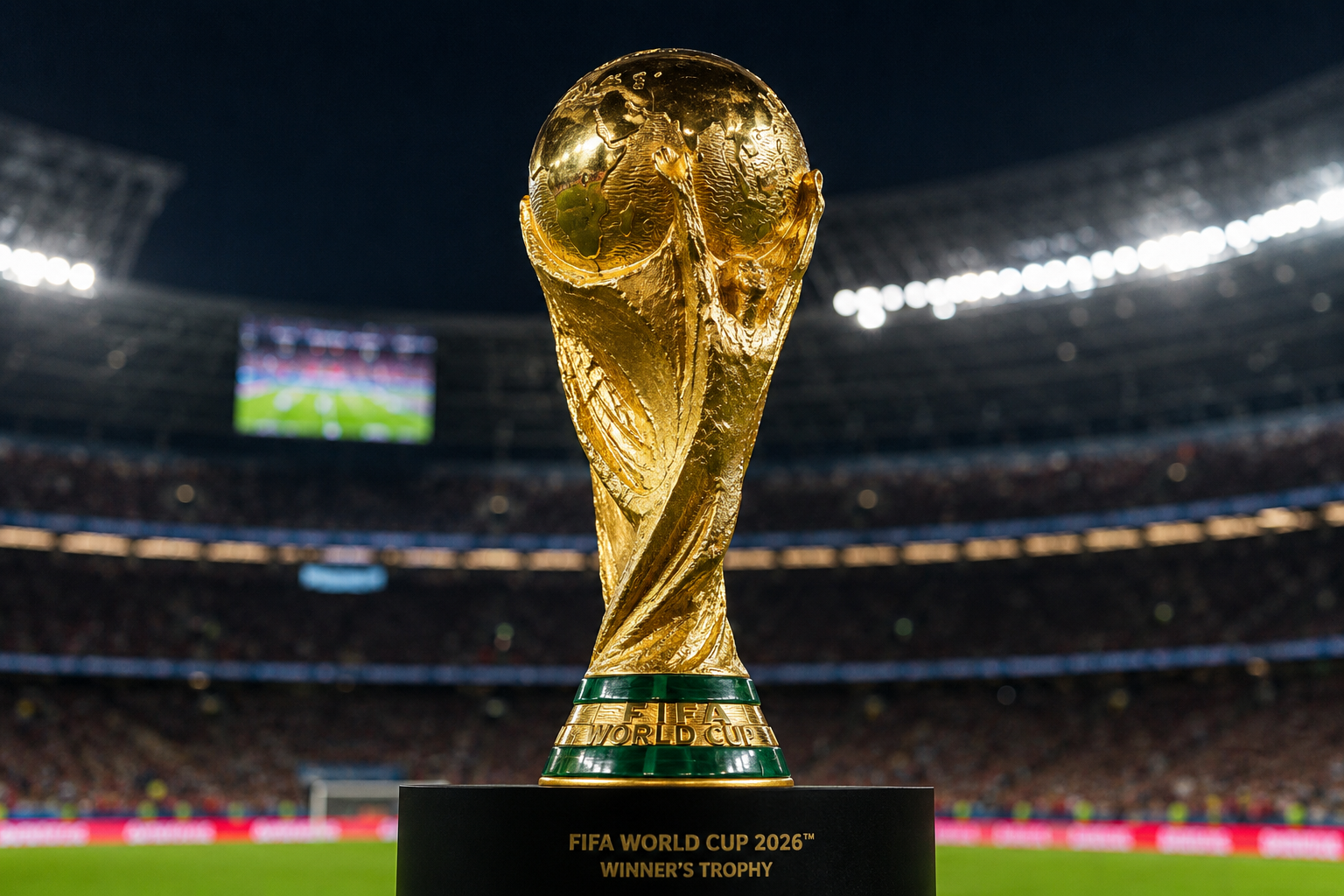

Spain’s victory in the 2026 World Cup final has been described by Spanish media as more than just a championship win. It was presented as a statement about football philosophy, with the national team proving that patience, technical quality, and collective control can still define success at the highest level.

In the final against Argentina at MetLife Stadium in New Jersey, Spain produced a dominant performance and secured a 1-0 victory after extra time. The match saw Spain control much of the game through possession and passing, while Argentina struggled to create clear opportunities.
A final shaped by control and composure
Spain’s approach centered on keeping the ball, moving opponents around, and waiting for the right moment to attack. The team completed hundreds of passes and maintained pressure throughout the match, eventually finding the decisive goal through Ferran Torres in extra time.
Argentina, the defending champions, were unable to establish their usual attacking rhythm. Their physical approach and frequent interruptions drew criticism from Spanish observers, who argued that the match became too focused on confrontation rather than football quality.
- Spain maintained control through accurate passing and structured movement.
- Argentina struggled to provide service for Lionel Messi and create dangerous chances.
- The winning goal came after Spain continued applying pressure deep into extra time.
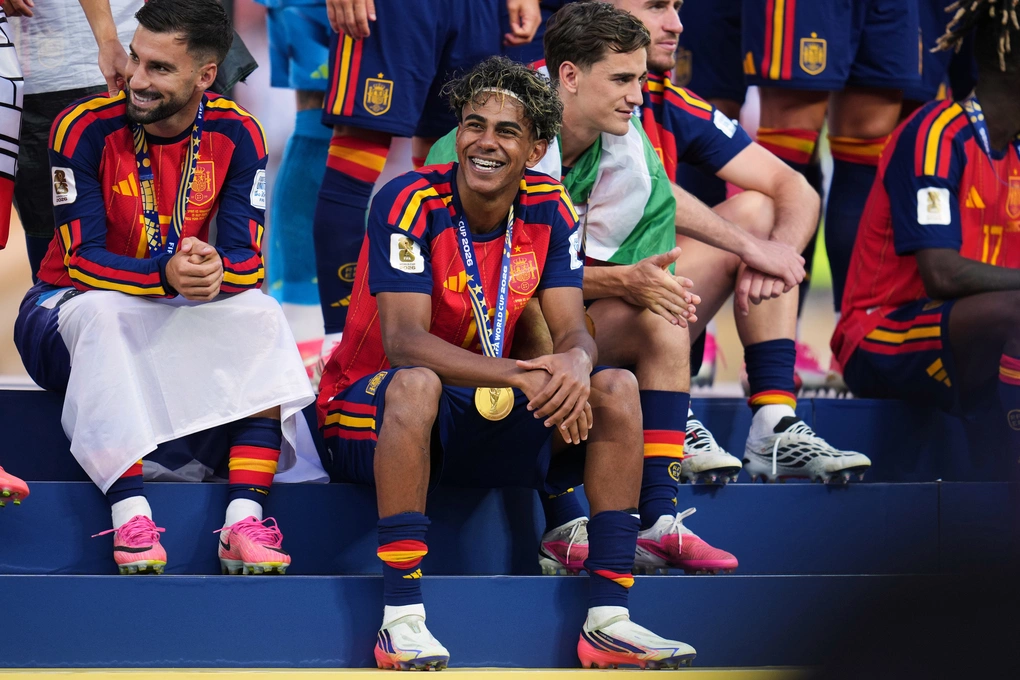
A football identity built over decades
Spanish media highlighted that this success represents the continuation of a football model developed over many years. From the era of Xavi, Andres Iniesta, and Sergio Busquets to the current generation, Spain has remained committed to technical ability and intelligent possession.
The country’s football system has emphasized teaching young players to understand the game, make decisions under pressure, and value control rather than simply clearing the ball or relying on physical strength. According to Spanish commentators, the World Cup title reflects the impact of that long-term vision.
Recognition beyond Spain
The performance received praise from former players and football figures around the world. Many observers considered Spain’s display one of the clearest examples of a team imposing its style on a major final.
Even Argentine media acknowledged that Spain deserved the victory after producing the stronger performance. The result marked a significant moment for a team that had rebuilt itself while staying faithful to its traditional strengths.
A victory for a philosophy
Spain’s triumph represents more than another trophy in the history books. It highlights the value of consistency, development, and belief in a clear playing identity. The team’s success suggests that football philosophies built patiently from youth systems can continue to compete against changing trends.
For Spanish supporters, the World Cup title confirms that their style of football remains influential. The victory was not only about defeating an opponent in one match, but also about proving that a carefully developed approach can shape the future of the sport.